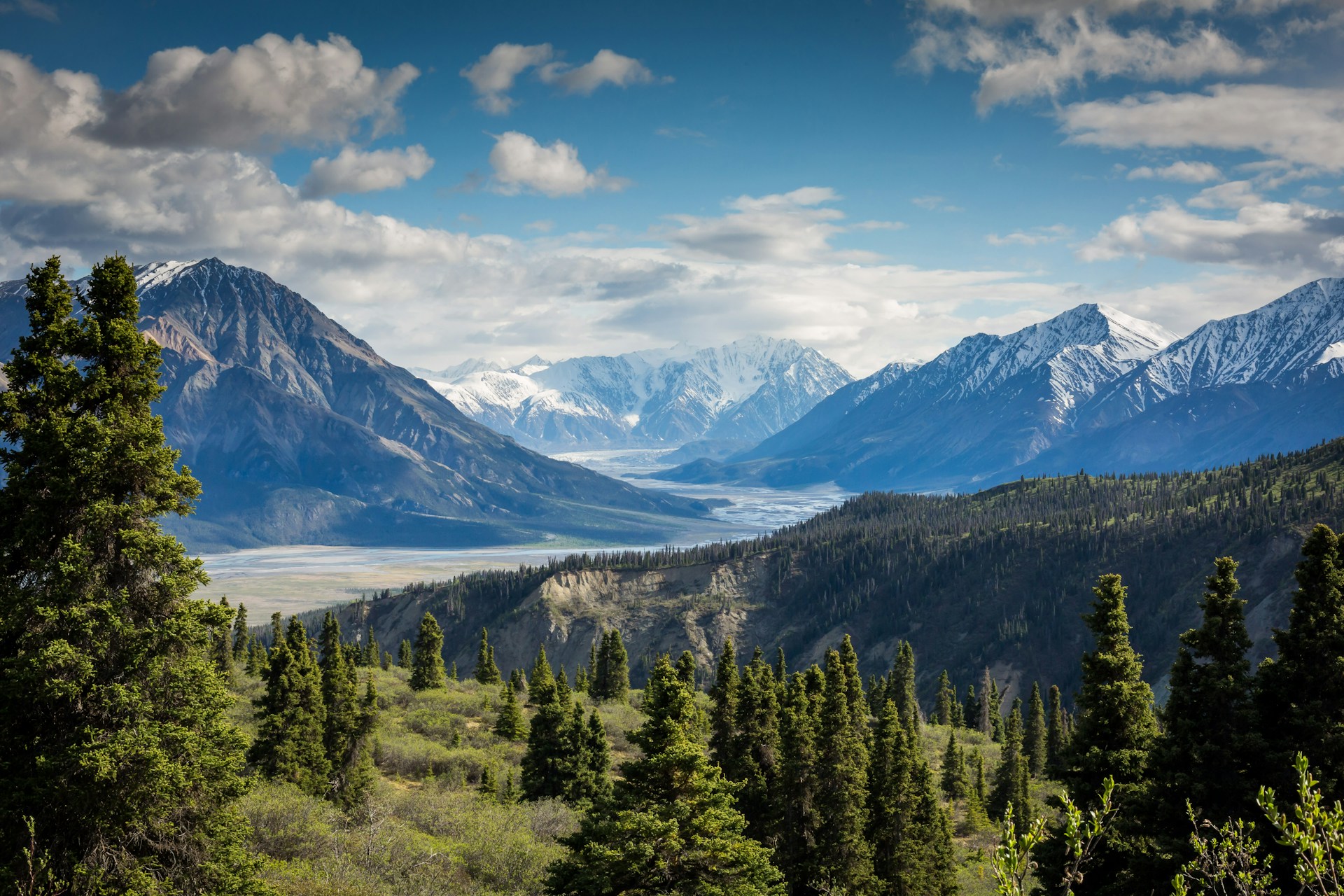
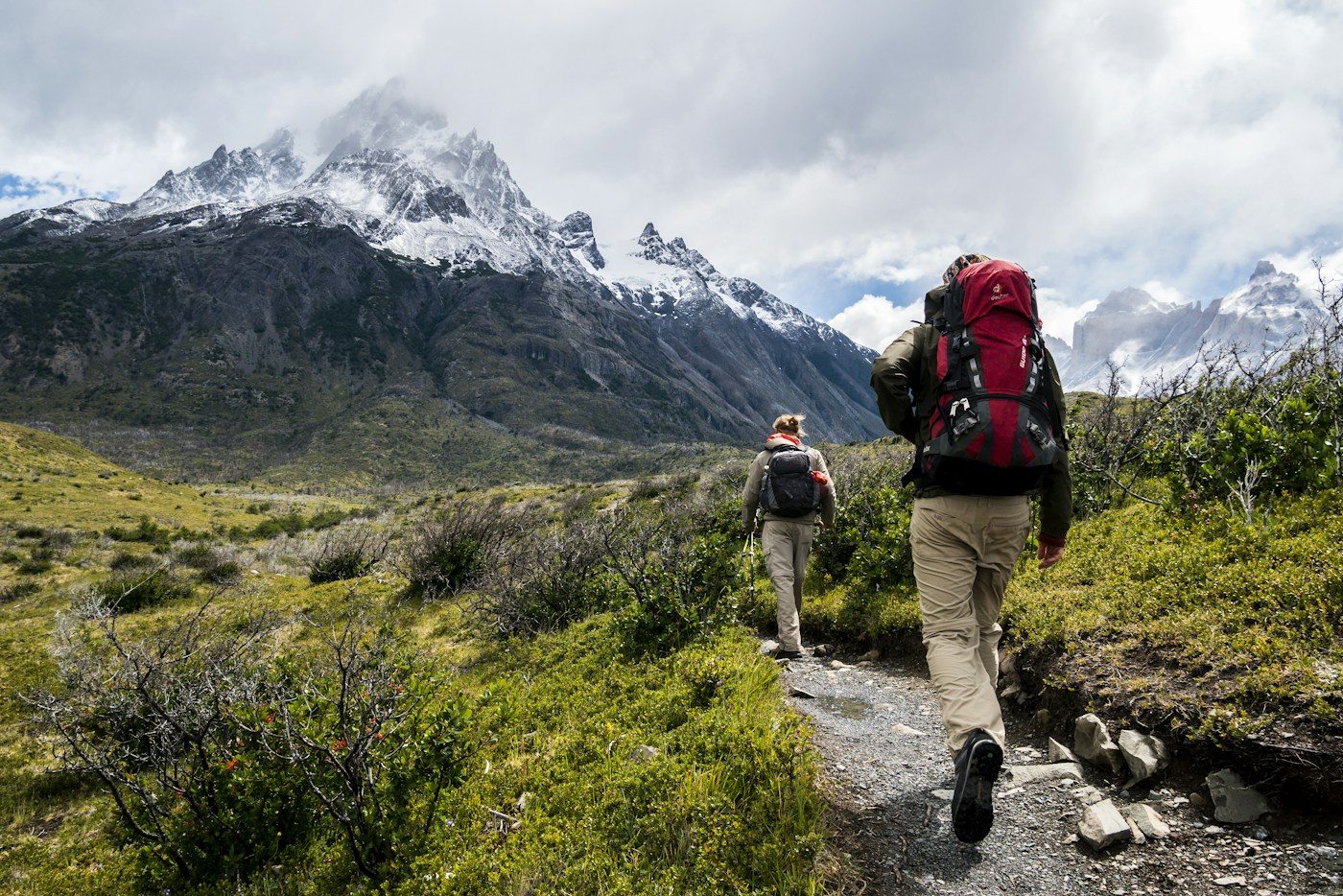
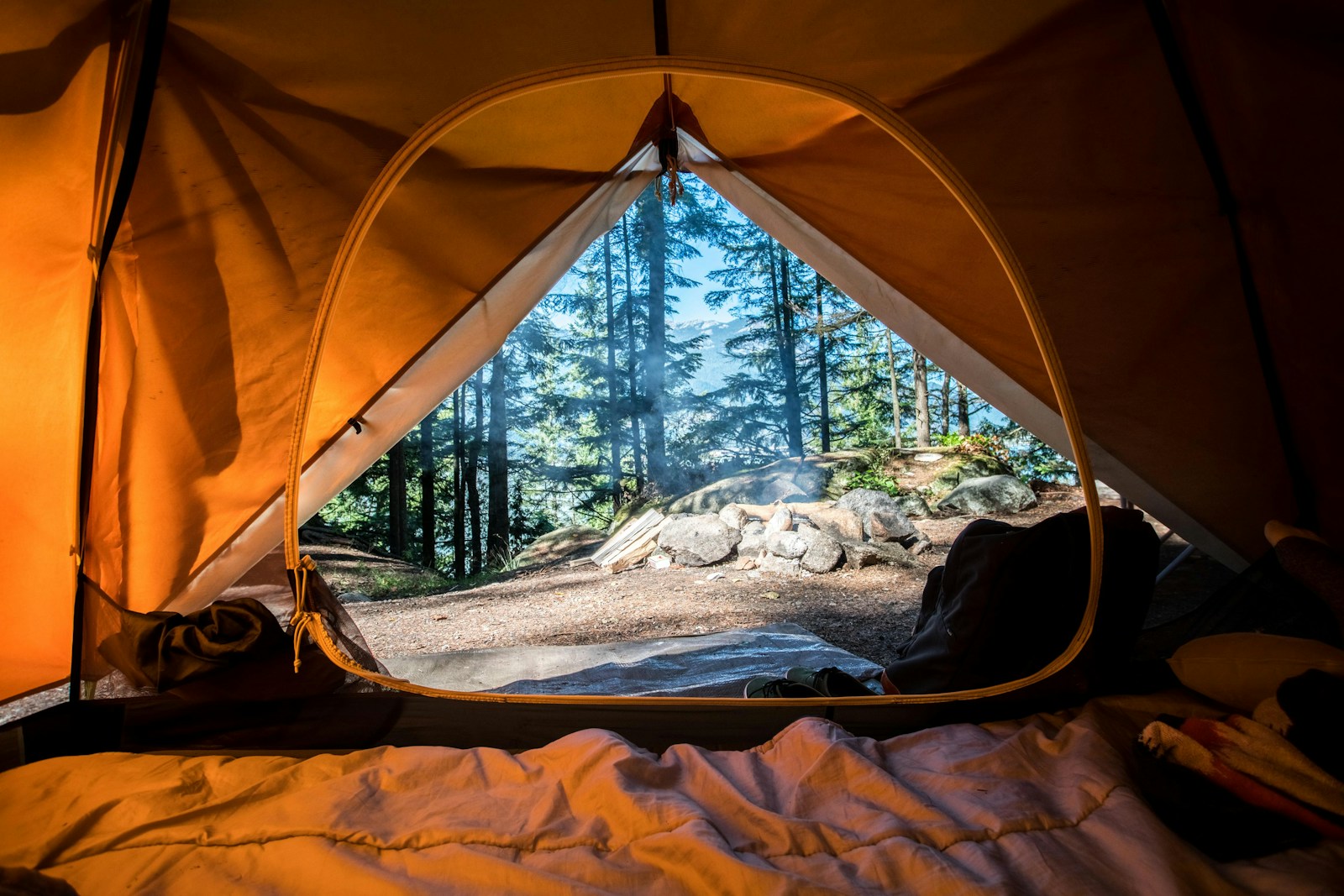
Less planning friction. More time beyond the trailhead.
Build a repeatable weekend plan with a route, a weather check and enough room to change your mind.

About this guide: Practical planning advice to adapt to your route and conditions. Photographs illustrate the subject.
Create a short list of nearby routes
Keep a small collection of options for different weather, available time and energy levels. Record the official land manager’s page rather than relying only on social posts. Check the current status each time you go. A route being open last season does not establish its condition today.
Make the logistics visible
Write down travel time, parking arrangements, access rules and the latest sensible start time. If a permit or reservation is needed, obtain it through the official channel. Download the information you need before leaving reception. Identify where you can turn around without extending the trip.
Match the plan to the group
Discuss distance, elevation, terrain and expectations before departure. Allow extra time for breaks and unfamiliar terrain. Avoid treating someone else’s recorded pace as a promise. A shared plan makes it easier to speak up when conditions or energy change.
Use a small repeatable kit
Keep frequently used essentials together and check consumables after each outing. Recharge lights and inspect damaged items. A standard packing list reduces forgotten equipment, but edit it for each season and activity. A short local walk and an exposed alpine trip require different preparation.
Review what changed
After the trip, note one thing that helped and one thing to adjust. Update route notes with the date and distinguish personal observations from official guidance. The aim is a plan that gets easier to use over time while leaving room for weather, closures and your own judgment.
A few useful questions
Do I need to buy everything new?
No. Borrowing or using suitable equipment you already own can help you learn what works before making a purchase. Inspect condition and confirm it suits your trip.
Where should I check current conditions?
Use the official land manager’s website and a local weather forecast. Contact the relevant ranger office for route-specific questions.
Further preparation: National Park Service hiking guidance and Leave No Trace principles. General advice should be adapted to local rules and conditions.