A better campsite starts before you pitch the tent.
Small decisions about shelter, sleep and organization that make a simple weekend camp more comfortable.
About this guide: Practical planning advice to adapt to your route and conditions. Photographs illustrate the subject.
Choose an appropriate site
Use designated or established sites where required. Look for a durable surface and follow the land manager’s rules about distance from water, trails and other camps. Avoid low spots that may collect water and inspect the area for obvious hazards. Comfort starts with a suitable location, not a thicker mattress.
Set up while it is light
Practice pitching your shelter before the trip. Arriving with daylight to spare gives you time to position it, secure the guylines and organize your sleeping area. Use the footprint specified for the shelter, if any, and keep it from extending beyond the rainfly where it can collect runoff.
Keep a dry corner
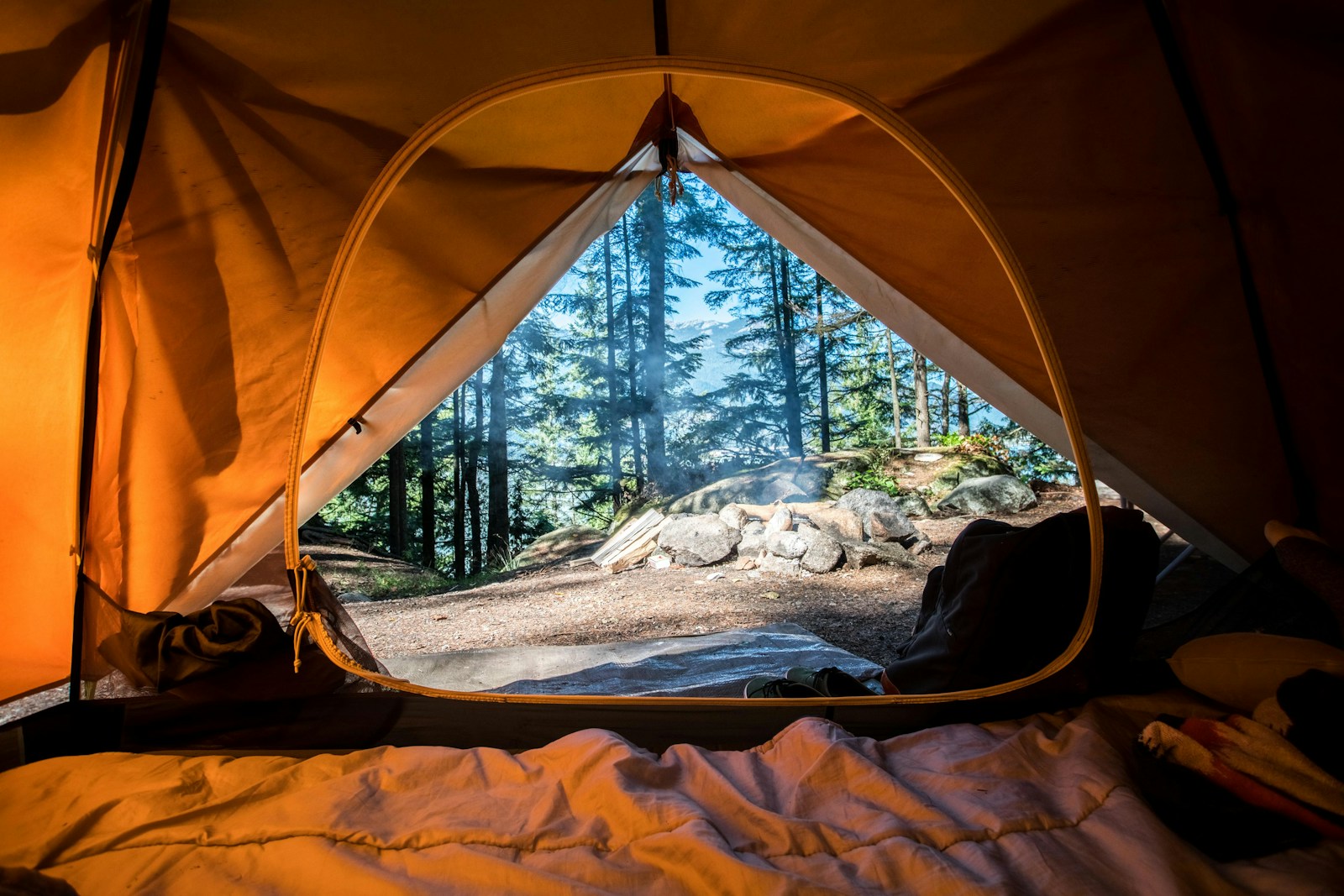
Store a dry sleeping layer separately from damp hiking clothes. Keep wet shoes and cooking equipment out of the sleeping space. Ventilate the shelter according to its design to help manage condensation. A towel or cloth is useful for wiping surfaces in the morning.
Make night-time essentials easy to find
Give your headlamp, water and footwear a consistent place. Avoid leaving loose packaging around camp. Follow local food-storage requirements and use the appropriate storage system for the area. Food and scented items should not be stored casually inside a sleeping tent.
Leave the site ready for the next person
Pack out rubbish, check the ground for small items and leave natural features as you found them. Fire rules vary and can change quickly. Check current restrictions before the trip and plan to cook without a fire. A comfortable camp does not need to leave a lasting mark.
A few useful questions
Do I need to buy everything new?
No. Borrowing or using suitable equipment you already own can help you learn what works before making a purchase. Inspect condition and confirm it suits your trip.
Where should I check current conditions?
Use the official land manager’s website and a local weather forecast. Contact the relevant ranger office for route-specific questions.
Further preparation: National Park Service hiking guidance and Leave No Trace principles. General advice should be adapted to local rules and conditions.