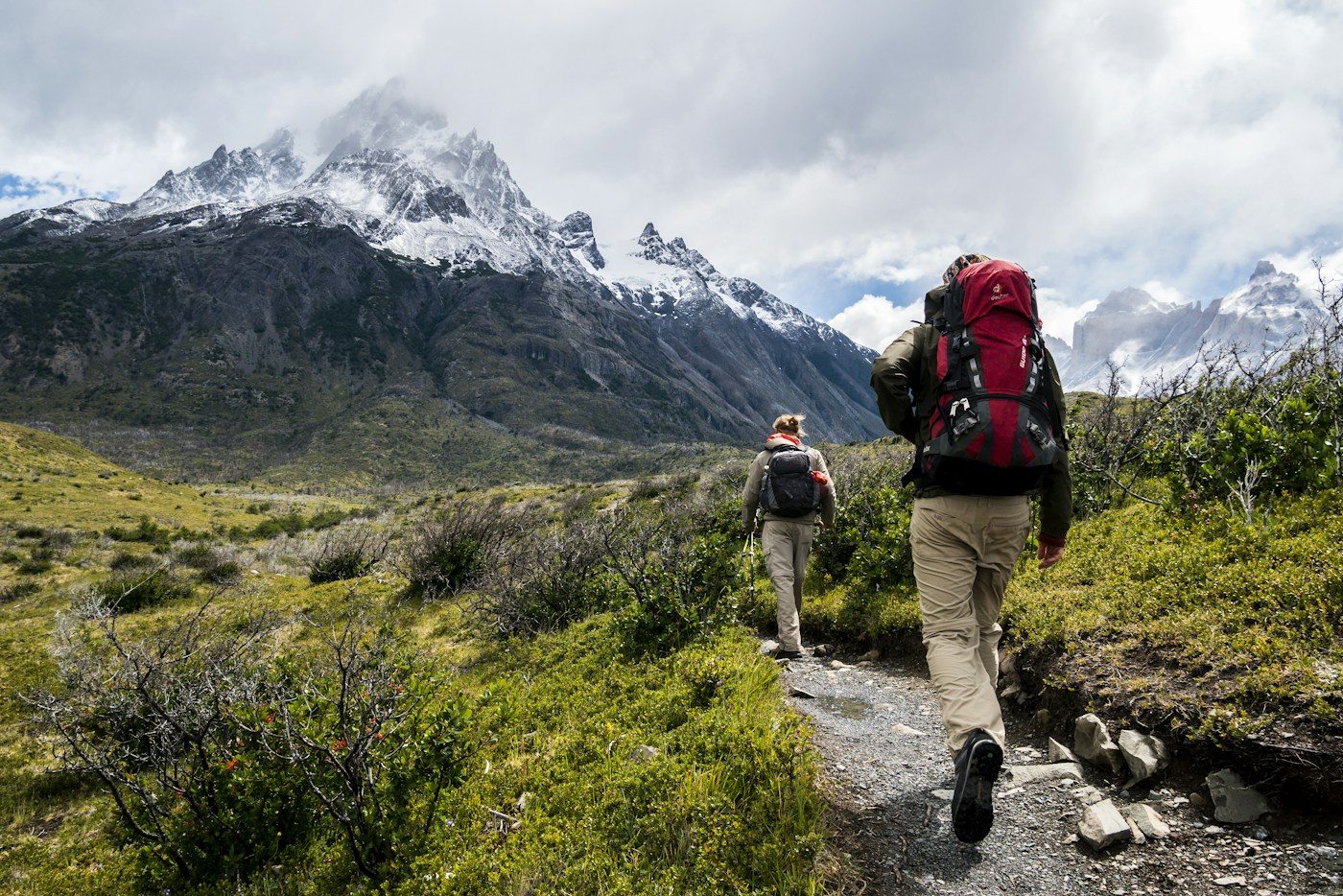
Your first overnight starts with a lighter pack.
A practical guide to choosing what earns a place in your pack, from shelter to the small essentials.
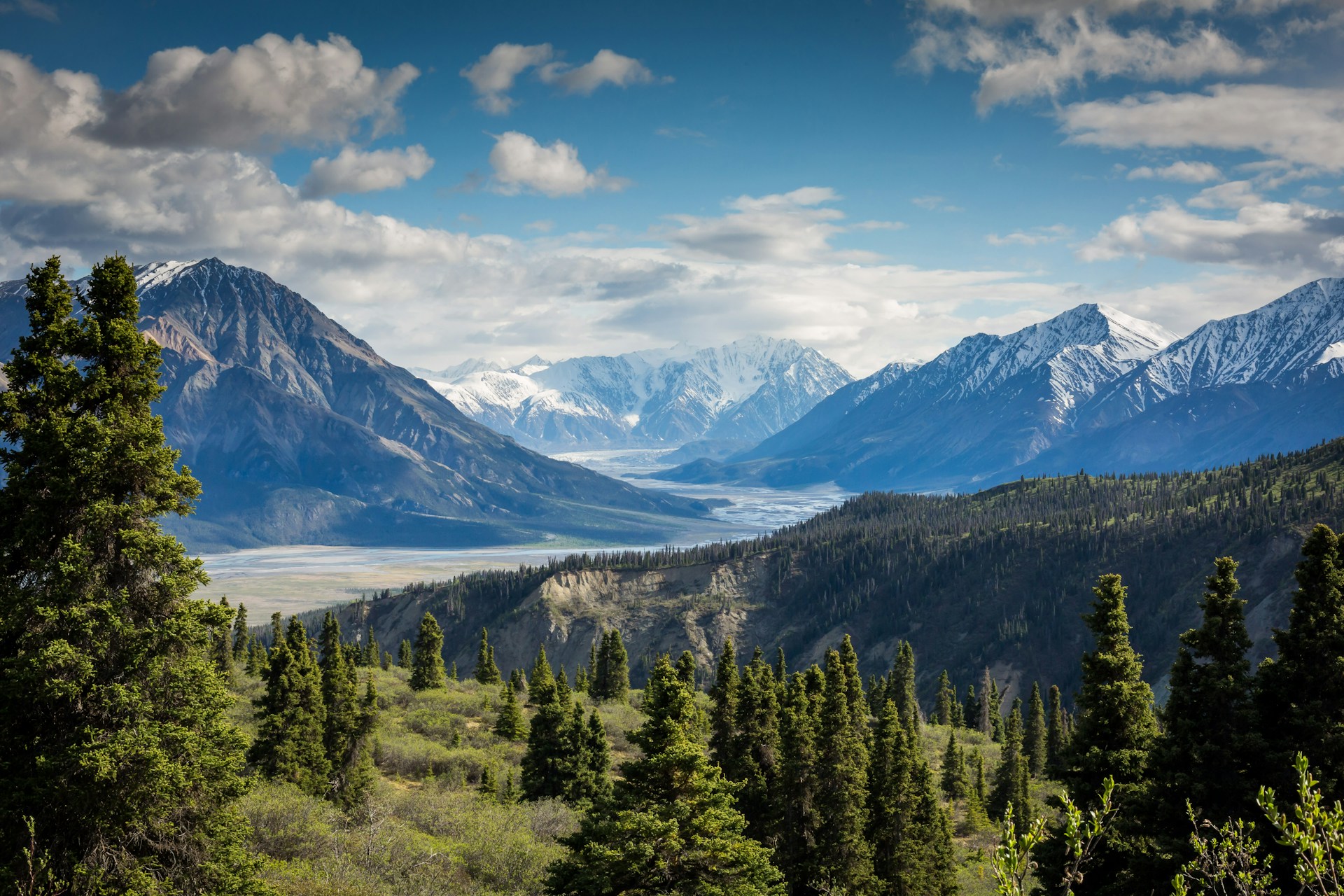
About this guide: Practical planning advice to adapt to your route and conditions. Photographs illustrate the subject.
Start with the trip, then choose the gear
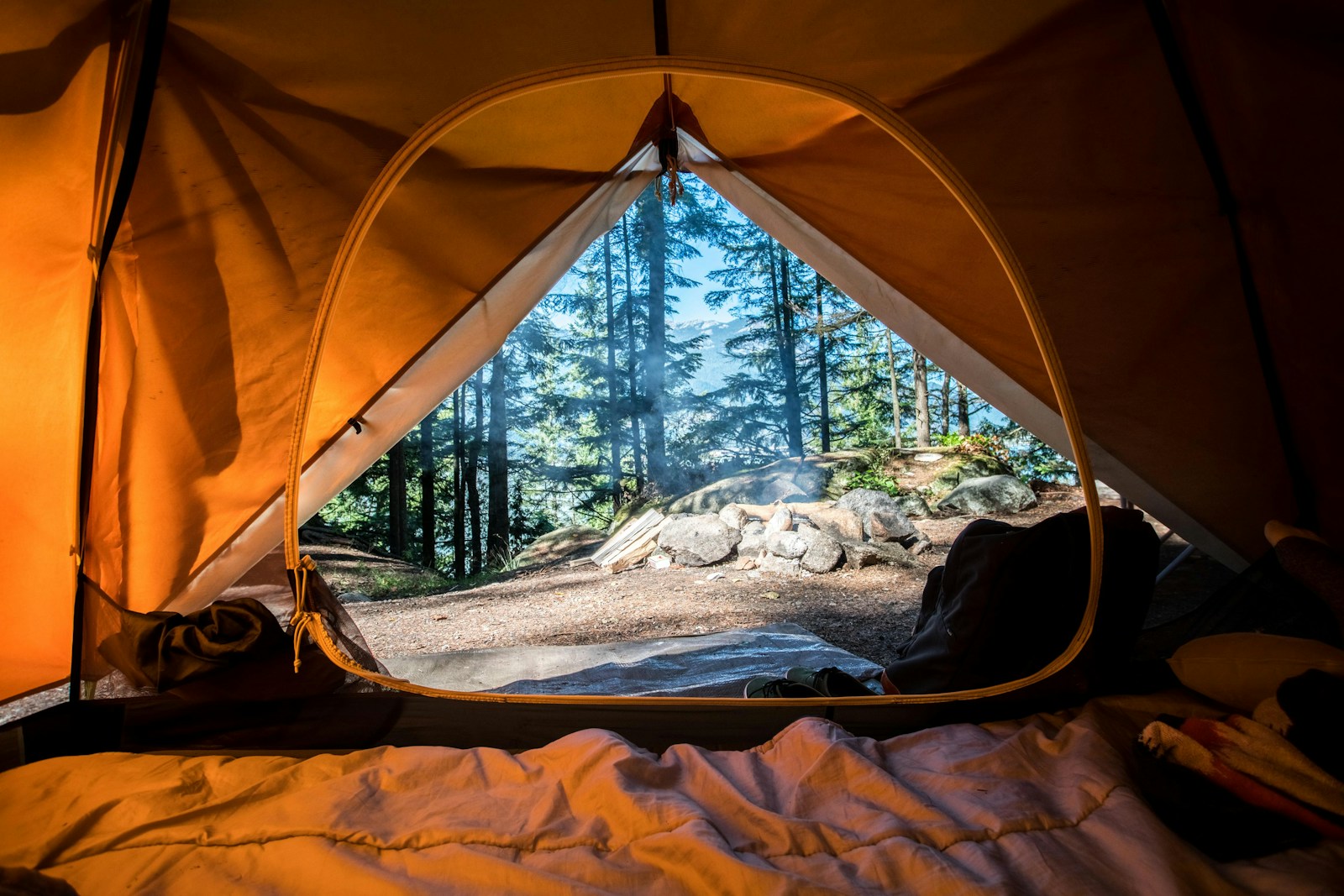
A familiar route and a manageable distance make a better first overnight than an ambitious mileage target. Choose an established campsite where overnight use is allowed. Check the land manager’s current permit rules, water information, weather forecast and trail notices before you commit. Give someone your route and an expected return time.
Build a sleep system that works together
Treat your shelter, sleeping bag and sleeping pad as one system. A roomy tent adds comfort but also weight and packed volume. A lighter shelter may require more practice and careful site selection. Choose a bag for the expected conditions and remember that a pad provides insulation as well as cushioning. Try the complete setup at home before relying on it outdoors.
Pack for access, not just capacity
Keep rain protection and a warm layer near the top. Put dense items close to your back and balance the load from side to side. Small items need a predictable home so you can find them without emptying the bag. Pack a separate dry layer for camp in a waterproof liner. A pack that fits your torso is more useful than extra capacity you do not need.
Borrow before buying everything
Borrowing a tent or sleeping bag can help you learn what you actually value. Spend time checking fit and condition rather than pursuing the smallest advertised weight. Make a short list after the trip: what you used, what you missed and what stayed untouched. Keep emergency supplies even if they were not needed.
A simple departure check
Carry navigation you can use without reception, a headlamp, weather protection, food, water and a suitable treatment method. Tailor first-aid and repair supplies to the route. Know the turnaround points. A checklist helps, but it does not replace knowledge of the place and conditions.
A few useful questions
Do I need to buy everything new?
No. Borrowing or using suitable equipment you already own can help you learn what works before making a purchase. Inspect condition and confirm it suits your trip.
Where should I check current conditions?
Use the official land manager’s website and a local weather forecast. Contact the relevant ranger office for route-specific questions.
Further preparation: National Park Service hiking guidance and Leave No Trace principles. General advice should be adapted to local rules and conditions.